
A fractional CMO is a senior marketing leader who runs your marketing part-time — giving you executive-level strategy and direction without the cost of a full-time chief marketing officer. “Fractional” just means you get a fraction of their time, on an ongoing basis, embedded in your business.
I started The Grimm Company after years on the business side of a manufacturer, and the pattern I kept seeing was the same: companies with real revenue and a capable team, but no one senior actually owning marketing. That gap is exactly what a fractional CMO fills.
What a fractional CMO actually does
- Sets the strategy. Defines the ideal customer, the core message, and the plan every tactic ties back to — so marketing stops being a pile of disconnected activity.
- Leads the team. Directs your in-house marketers, contractors, and agencies so the work points in one direction instead of five.
- Builds the systems. Stands up the reporting, content, and lead processes that make marketing repeatable rather than heroic.
- Answers to the business. Translates marketing into pipeline and revenue for the owner or leadership team — in their language, not marketing jargon.
The good ones don’t just advise. In our case, the same person who sets your direction also builds the systems that run it and produces the video that tells your story.
When does a business actually need one?
A fractional CMO is usually the right call when:
- You have a marketing team or agency busy with tactics, but no one owning strategy above them.
- You’re spending real money on marketing and can’t tie it to results.
- You’re not ready — or don’t need — to carry a full-time executive’s salary and benefits.
If you’re a pre-revenue startup, you probably need a freelancer or a generalist, not a CMO. But if you’re a professionally-managed company with revenue and a team that’s underpowered, that’s the sweet spot.
Fractional CMO vs. agency vs. full-time hire
An agency executes tactics — useful, but it won’t own your strategy. A full-time CMO is a major fixed cost, often $200K–$350K all-in, and overkill before a certain size. A fractional CMO sits in between: senior strategic leadership, embedded in your business, at a fraction of the cost, and one you can scale up or down as you grow.
Curious what it runs? See what a fractional CMO costs, or learn more about our fractional CMO services. If you’re a manufacturer, I wrote a piece specifically on fractional CMOs for manufacturers.
Frequently asked questions
What does "fractional" mean?
It means you get a fraction of a senior marketer’s time — typically a few days a month on an ongoing basis — instead of a full-time hire. You get the seniority without the full-time salary and benefits.
How is a fractional CMO different from a consultant?
A consultant usually advises and leaves. A fractional CMO is embedded in your business on an ongoing basis, owns the strategy, leads the team, and stays accountable for results — and, in our case, also builds the systems that run it.
How many hours does a fractional CMO work?
It varies by engagement, but it’s part-time and ongoing — enough senior time to own strategy and direction, scaled to what the business needs.
Is a fractional CMO right for a small business?
If you have real revenue and a team or budget that’s underperforming, yes. If you’re pre-revenue or need hands-on execution of a single channel, a freelancer or specialist is usually a better fit first.
Not sure where your marketing stands? Take my free 10-question marketing assessment, or book a call and we’ll talk it through.
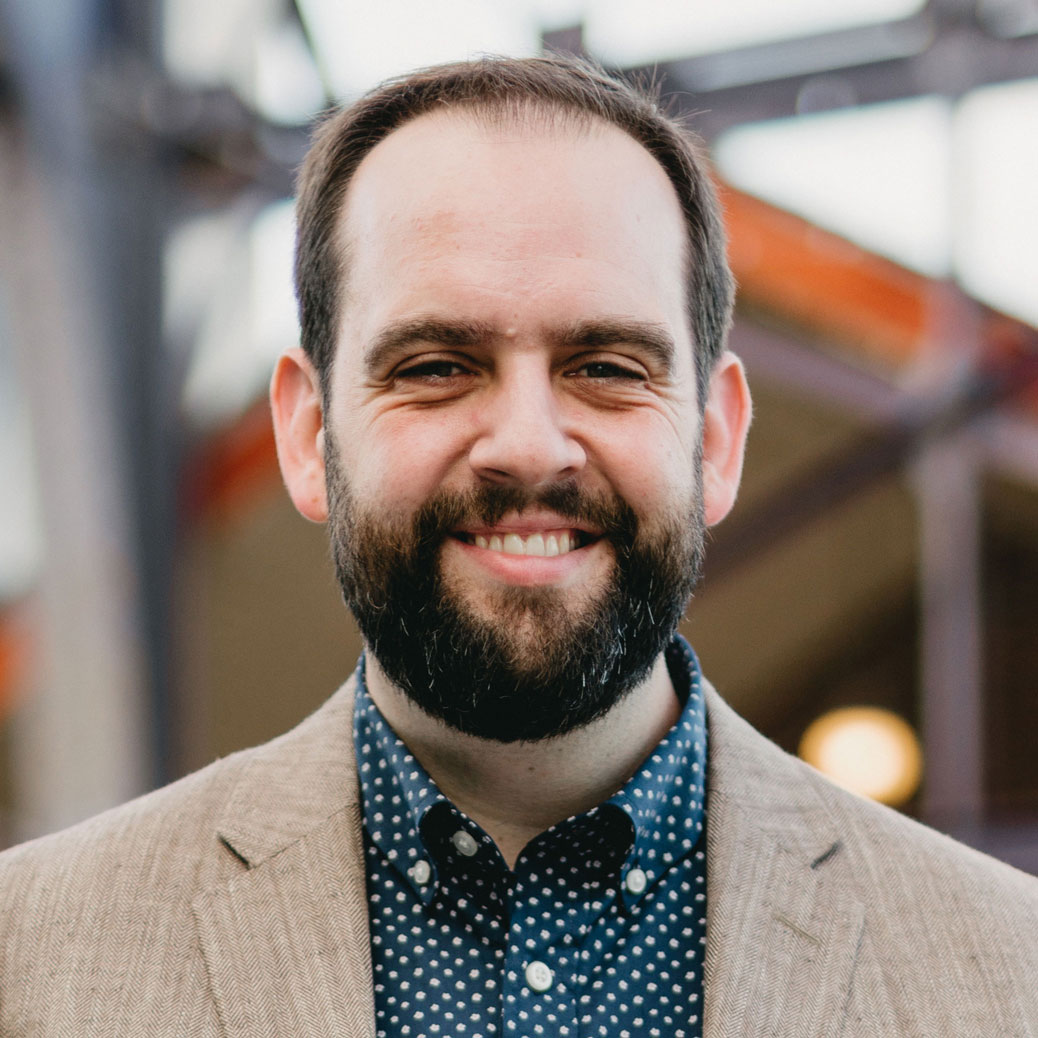
Brad Grimm is the founder of The Grimm Company. He spent 12 years in engineering, business development, and marketing at a family manufacturer before starting Grimm, which gives growing B2B and industrial companies senior marketing leadership, AI-built systems, and in-house video.